




















Google index updates typically take 3-10 days.
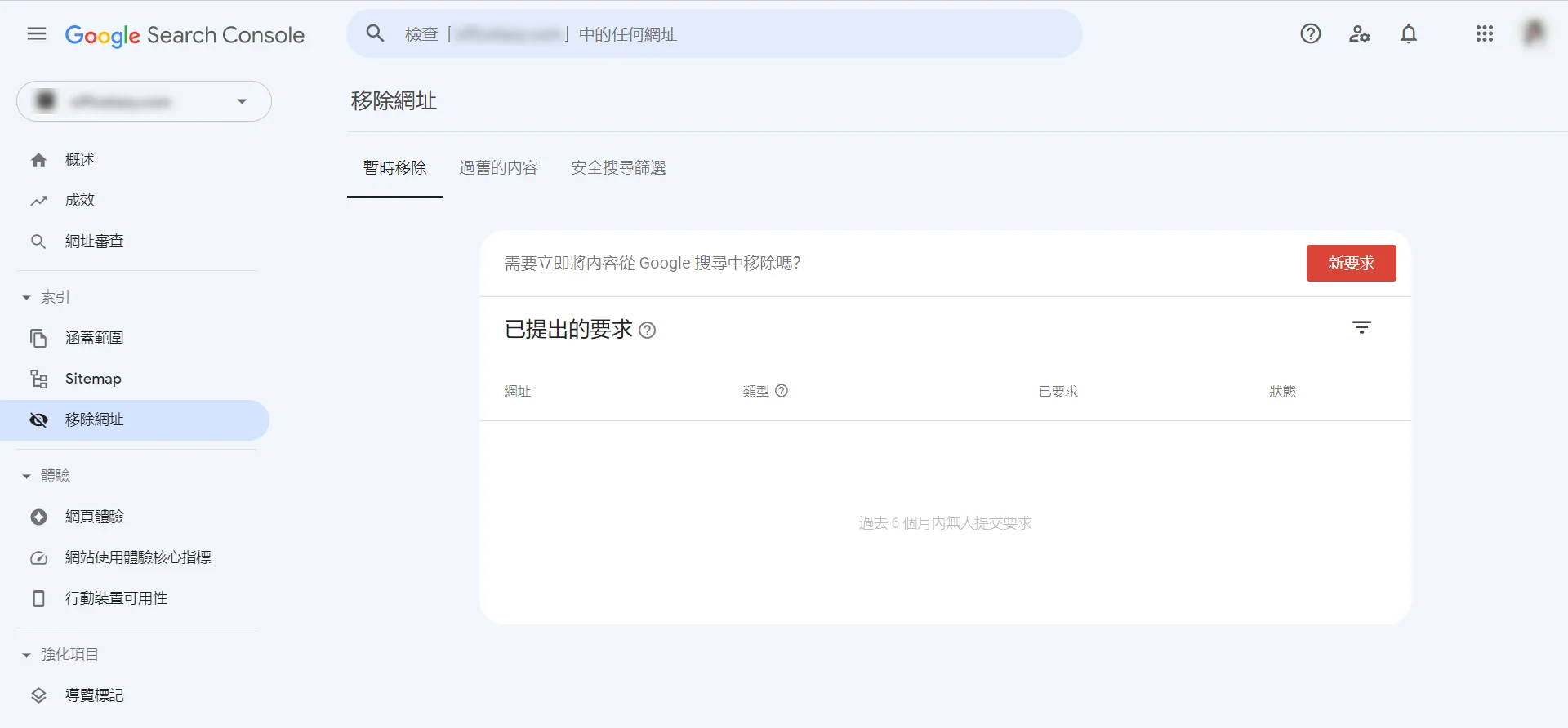
Even if a page is deleted, the cache may still exist. It is recommended to submit a “Remove URL” request through Google Search Console. This can take effect within 24 hours at the earliest, making it the most professional and efficient method for clearing residual results.
Crawling Lag
Googlebot sets the frequency of return visits based on PageRank metrics and Crawl Budget.
For most non-first-screen pages, Googlebot’s average return cycle ranges from 3 to 30 days.
Crawl stats reports in Google Search Console (GSC) show that after a server returns a 404 status code, the index is not deleted immediately.
The system requires 1 to 3 repeated crawls to confirm that the page is not inaccessible due to temporary server failure.
In large-scale sites, the synchronization lag between the index library and the real-time server is often between 15% and 20%, resulting in deleted pages remaining in the results.
404 Verification
When Googlebot visits a specific URL and receives a 404 Not Found response code, the search system’s internal scheduling logic does not immediately remove the entry from the index library.
According to the underlying records of the search engine crawling mechanism, the initial detection of a 404 signal is usually regarded as “potential server jitter” or a “temporary network connection interruption.”
To ensure the stability of search results, Google’s scheduling system marks the URL as a “retry state” and pushes it into a dedicated observation queue.
For a medium-sized site with an average daily volume of around 10,000 crawls, Googlebot will typically conduct a second review within 24 to 48 hours after the first discovery of a 404.
If the second crawl still returns a 404 status code, the system drops the Crawl Priority of the page to the minimum, but the index record remains.
Google maintains an internal logic counter called the “Confirmation Threshold.” It usually requires 3 to 5 consecutive 404 confirmations, covering a timespan of at least 7 to 14 days, before the system issues a formal deletion command to the Index Shards.
If webmasters use the 410 Gone status code, the entry into the deletion process is approximately 25% to 40% faster than a 404 page.
Upon receiving a 410 signal, Googlebot often skips parts of the review cycle and removes it from the main crawl queue.
Nonetheless, to prevent malicious tampering or accidental operations, the system still maintains a 24-hour cooling-off period to ensure the stability of the status code.
Another long-tail factor causing residuals is the detection delay of Soft 404s.
If a server is misconfigured to return a 200 OK status code when a page does not exist, but the page content displays a “Page not found” text prompt, Google’s Web Rendering Service (WRS) must intervene.
WRS needs to consume significant computational resources to parse the DOM tree and use machine learning models to determine the semantic features of the page.
Once identified as a Soft 404, the page is moved out of the normal indexing track, but this process is 5 to 10 business days slower than standard 404 verification.
In distributed storage architectures, synchronization speeds across global data centers are inconsistent.
Even if the main index database at US headquarters has confirmed the deletion of a record, users in London or Frankfurt might still retrieve deleted content within 6 to 12 hours due to different cache refresh policies at Edge Nodes.
When a site’s Crawl Budget is exhausted, Googlebot may even suspend reviews of known 404 links to crawl new, higher-weight content instead.
This priority allocation causes old pages deep in the directory—with a link depth of more than 5 levels—to potentially remain in search results for months, even if they have long been returning a 404.
“Googlebot is not a real-time monitor; it is a scheduling system based on probability and weights. The confirmation of every 404 signal consumes actual bandwidth and computing costs.”
During large-scale site migrations or mass deletions of paths, if a 404 error ratio of over 20% is generated in a short period, the system may trigger a protection mechanism.
At this point, the standard 404 verification process is lengthened, as the algorithm requires more “proof time” to confirm that these deletions are indeed the true intent of the website administrator.
Influencing Parameters
When Googlebot performs crawling tasks on the internet, the speed at which it revisits old URLs or discovers new status codes is not random. The most fundamental parameter is Server Latency, specifically expressed as Time to First Byte (TTFB).
If a server’s TTFB remains consistently below 200 milliseconds, Googlebot considers the server to have sufficient capacity and will increase the crawl limit.
Conversely, once the response time exceeds 1000 milliseconds, the crawler will automatically trigger a Crawl Rate Limit mechanism to protect the target server from crashing due to high-frequency access.
At the website architecture level, Link Depth acts as the physical scale for adjusting crawl frequency.
URLs located in the root directory or only 1 to 2 clicks away from the homepage receive the highest PageRank weight. Googlebot’s access logs show that the update detection frequency for such pages is usually once every 24 hours.
However, when a page is located at the 5th level or deeper in the directory structure, even if its content has changed to a 404 state, the crawler’s return cycle will lengthen exponentially, sometimes requiring 30 to 60 days for a routine review.
- Crawl Demand: This depends on the popularity of the page. If a deleted URL still has a large number of external Backlinks or is frequently mentioned on social media platforms, Google’s algorithm considers the resource to still be in circulation. Even if it returns a 404, the algorithm will frequently schedule crawler visits to confirm the status, and this high-frequency reassessment leads to more verification cycles before the system confirms it is “permanently gone.”
- Site Health: If a server frequently encounters 5xx series errors (such as 503 Service Unavailable), Googlebot will quickly slash the overall Crawl Budget for that site. When the error rate exceeds 10% of total crawls, the crawler enters protection mode and stops probing non-essential URLs. In this case, 404 pages that should be cleaned up stay in the index library for a long time due to the freezing of the crawl budget.
- Change Frequency: The search engine records the history of changes for a URL over the past several months. If a page has not been updated in the last 365 days, Googlebot marks it as “cold data,” and its revisit weight is adjusted to the minimum. When you suddenly delete a long-inactive page, the crawler may not actively visit that path for the next quarter, causing a visual delay in deletion.
A Sitemap is a guiding document rather than a mandatory directive, but the accuracy of the <lastmod> tag affects crawling efficiency.
If the sitemap still contains links that have returned a 404, or if the lastmod timestamp is not updated according to the page deletion, Googlebot may consider the file unreliable and switch to an inefficient autonomous detection mode.
In experiments targeting large North American news sites, submitting a Sitemap containing the latest lastmod dates to Google, combined with the use of the WebSub (formerly PubSubHubbub) protocol for proactive pushing, can reduce the time it takes for the crawler to perceive page changes by more than 70%.
Websites using HTTP/2 or HTTP/3 (QUIC) protocols support Multiplexing, allowing Googlebot to concurrently request the status of dozens of URLs within the same TCP connection.
In contrast, the traditional HTTP/1.1 protocol is limited by the number of connections, forcing the crawler to wait in line when processing thousands of 404 signals.
“In a distributed crawling system, every URL crawl action is subject to cost accounting. Low-weight 404 URLs are often at the very end of the crawl queue unless an external signal forcibly raises their priority.”
Since Google has fully transitioned to Mobile-First Indexing, mobile crawler activity is typically 2 to 3 times higher than desktop activity.
If a page’s mobile version is deleted but the desktop version still returns a 200 due to a configuration error, or vice versa, this inconsistency triggers a logic conflict in the indexing system, causing search results to display different expired information residuals on different devices.
Web Cache
Web cache is a snapshot image of the page’s HTML code and some static resources stored on Google’s globally distributed servers (such as Google Data Centers) during Googlebot’s crawling process.
Even if the original server has physically deleted the page, Google’s index database will still retain that snapshot until the next crawl cycle refresh.
Generally, the crawl frequency for high-weight sites is measured in hours, while ordinary sites may require 3 to 28 days.
Because Google uses edge computing nodes to synchronize data, there is often a 24 to 72-hour delay between the update of the main index and the synchronization of search results across various global regions.
Reasons for Display
Google maintains a massive distributed database containing hundreds of billions of web pages, known as the Index.
When you delete a page via a content management system (such as WordPress or Ghost), you are only removing data from your own web server.
At this point, Google’s server clusters still hold the last snapshot record for that URL.
- Hierarchical Allocation of Googlebot Crawl Cycles: Google allocates different Crawl Budgets based on a website’s Domain Authority and update frequency.
- For the top 1% of high-traffic news sites (such as The New York Times or Reuters), the recrawl frequency of popular pages is measured in minutes or hours.
- The crawl cycle for ordinary commercial websites or personal blogs is usually between 7 and 28 days, and the recrawl interval for some obscure paths can even be several months.
- If a page is deleted on January 1st and Googlebot is scheduled to revisit that path on January 25th, the search results will consistently show the invalid content during that 24-day gap.
Google’s internal “Caffeine” indexing system utilizes a real-time update mechanism, but it is primarily focused on the discovery of new content.
When Googlebot visits a deleted URL, the HTTP status code returned by the server determines the speed of index removal.
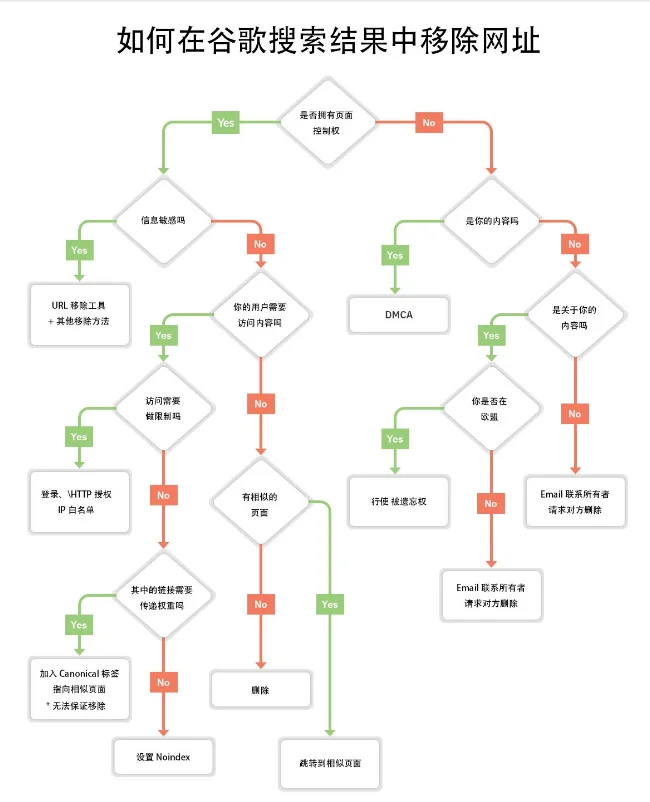
If the server returns a 404 (Not Found), Googlebot typically does not remove the page from the index immediately, as the algorithm accounts for the possibility of temporary server failure or configuration errors.
The system records this failure and schedules a second attempt within 48 to 72 hours.
Only when multiple consecutive crawls return a 404 status, or when that status persists beyond a specific observation threshold (usually several weeks), does the system initiate the index removal process.
- Quantifying the Impact of HTTP Response Status Codes on Removal Speed:
| Status Code Type | Googlebot Subsequent Action | Estimated Index Retention Time |
|—|—|—|
| 404 (Not Found) | Marked as “potentially missing”; retry crawl in 3-5 days | 14 to 45 days |
| 410 (Gone) | Recognized as “permanently removed”; lower crawl priority | Removal starts in 3 to 7 days |
| 301 (Redirect) | Transfer weight to new path; keep index but update pointer | Permanent (points to new page) |
| Soft 404 | Page shows deleted but returns 200; viewed as low quality | Extremely hard to auto-remove; can linger for months |
Google runs over 20 large data centers and thousands of Edge Nodes worldwide.
When a main index server in Oregon, USA, updates the deletion status of a page, this data must be distributed via Google’s internal global backbone network to various regional index libraries in places like Ireland, Finland, and Singapore.
This process of reaching Eventual Consistency often involves a propagation delay of 24 to 72 hours.
A search request initiated by a user in London might hit an edge server that hasn’t been synchronized yet, resulting in them seeing a still-existent cache link.
- Interference Factors from External Links and Sitemaps:
- Existing Internal Links: If other internal pages or external sites still retain hyperlinks pointing to the deleted URL, Googlebot will continue to attempt access through these entries, prolonging its existence in the crawl schedule.
- XML Sitemap Lag: Many websites fail to update their sitemap files after deleting pages. If the
sitemap.xmlstill contains the deleted URL, Google will check the page based on this regularly, causing the index library to constantly refresh the record for that path, even if it returns an error code. - Social Signals and Residual Traffic: If a deleted URL still receives click traffic from external platforms like Reddit or X (formerly Twitter), Google’s monitoring mechanism considers the URL to have ongoing value, granting it a longer observation period in the automatic cleanup logic.
Google’s index is divided into the Main Index and the Supplementary Index.
The main index contains high-quality, frequently updated content, while the supplementary index houses a large number of long-tail web pages and duplicate content.
If deleted content is in the supplementary index, the priority for Googlebot to re-review it is extremely low.
In many cases, a deleted page may disappear from main search results but can still be found in the supplementary index cache when clicking “see more results” or searching via specific site: commands.
Removal Standards
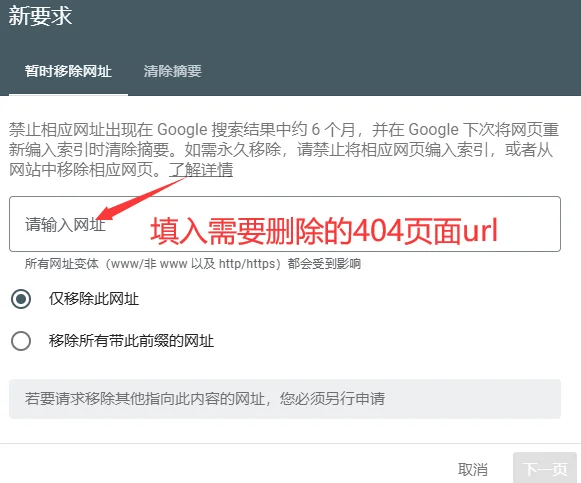
The preferred path for manual intervention is using the “Removals” tool in Google Search Console (GSC), located under the “Indexing” module in the left menu.
In the “Temporary Removals” tab, click “New Request” and enter the full URL to be cleared. The system provides two options:
“Temporarily remove URL” and “Clear cached URL only.”
The former will completely block the path from search results within approximately 24 hours, valid for 180 days;
The latter retains the search entry but immediately erases the link to the old snapshot and the text description in the search snippet.
If Googlebot is still unable to detect the signal that the page has disappeared on the server side during the 180-day blocking period, the entry will reappear in search results after the period ends.
For technical personnel with server management rights, configuring the correct HTTP response status code is the most SEO-logical long-term solution.
When Googlebot visits a deleted path, the server should return a 410 (Gone) status code instead of the generic 404 (Not Found).
According to Google’s official technical documentation, the 410 status code issues a clear permanent deletion command to the crawler, inducing the system to remove the URL from the crawl queue with higher priority.
The 404 status code is often regarded as a temporary network failure or configuration error. Googlebot tends to retain that index and attempt a second verification within the next 48 to 96 hours.
For large-scale cache cleanup needs, you can uniformly set 410 responses for specific directories or file suffixes in the web server (such as Nginx or Apache) configuration files, thereby guiding the search engine to accelerate the cleanup of old residuals in the global index library.
| Tool/Method Name | Applicable Scenario | Response Speed | Index Retention Status | Validity Period |
|---|---|---|---|---|
| GSC Temporary Removal Tool | Immediate blocking of sensitive info/deleted pages | Within 24 hours | Index temporarily hidden | 180 days (can be canceled) |
| HTTP 410 Status Code | Permanent deletion, guide crawler cleanup | Updates with next crawl | Completely removed from DB | Permanent |
| HTTP 404 Status Code | Page doesn’t exist, no special tag | Update after observation | Delayed removal | Permanent |
| URL Inspection Tool | Few pages needing manual forced recrawl | 12 hours to 3 days | Triggers status update | Valid for single request |
When cache lag cannot be resolved through regular crawling, adding X-Robots-Tag: noarchive to the server’s HTTP response headers can prevent Google from storing any snapshot images of the page on its servers.
If you want finer control over how long content persists, you can use the unavailable_after: [RFC 850 date/time] tag, which tells Googlebot to stop showing the webpage in search results after the specified date and time.
| Tag/Directive Name | Description of Function | Search Engine Behavior |
|---|---|---|
| noarchive | Disable cache mirroring | Indexes page but hides “Cached” link |
| nosnippet | Disable text snippets | Search results show no content preview |
| noindex | Prohibit indexing completely | Removes page from all search results |
| unavailable_after | Set auto-expiration time | Auto-executes noindex logic after expiry |
Many sites still keep records of deleted URLs in their sitemaps, causing Googlebot to continue routine inspections based on the old path list.
The standard operating procedure should be to remove the URL from sitemap.xml at the same time the page is deleted and update the sitemap’s <lastmod> (last modified time) tag.
Subsequently, go to the “Sitemaps” page in Google Search Console to resubmit the file.
Configuration Errors (Soft 404)
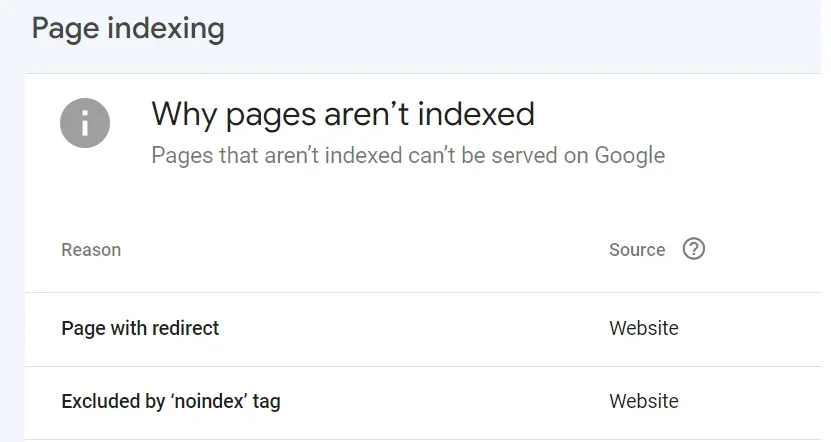
A Soft 404 error is triggered when your page is physically deleted, but the server still returns a 200 OK status code to Googlebot.
According to Google Search Console crawl data, these pages are treated as normal webpages by the indexing system because they do not return 404 or 410 directives.
Generally, if the main content area of a page is less than 200 bytes or redirects to the site’s homepage, Googlebot will mark it as a Soft 404 after 2-3 crawl attempts, causing the URL to linger in search results for an additional 14-30 days.
Misleading Status Codes
When Googlebot visits a server, its first step is to read the three-digit status code in the HTTP response header.
If you physically delete a webpage file but a server configuration bias causes it to still return 200 OK for that request, Googlebot will determine that the page is still alive and the content is valid.
Upon receiving a 200 code, Google’s indexing system sends the crawled HTML text (even if it only says “Content not found”) into the Indexing Pipeline for processing.
If this URL that should have disappeared continues to provide a 200 signal, its duration in the Google index library will be significantly prolonged.
On large sites, if such invalid URLs account for more than 10%, it will significantly disperse the Crawl Budget, causing the update frequency of normal pages to drop.
| HTTP Status Code | Googlebot Technical Definition | Index Library Action | Expected Impact on Search Ranking |
|---|---|---|---|
| 200 OK | Request successful, content complete | Continue crawling and storing cache | Keep ranking and show snippet |
| 404 Not Found | Resource not found, might be temporary | Mark for removal; de-index after confirmation | Ranking drops until it disappears |
| 410 Gone | Resource permanently deleted | Immediately start de-indexing | Fast removal from search results |
| 301 Permanent | Resource moved permanently | Transfer weight to new path | Old path gone; new path takes over |
| 302 Found | Resource moved temporarily | Keep original index; no weight transfer | Original URL continues to appear |
A server returning a 200 code will cause Google to launch a heuristic algorithm called Soft 404 Detection.
The Google rendering engine analyzes the visual presentation and text characteristics of the page, such as checking if it contains words like “404,” “Not Found,” or “Sorry,” and whether the effective main content is less than 200 bytes.
If the system finds that a page with a 200 status code actually has no substantive content, it will attempt to categorize it as a Soft 404.
This algorithm-based determination has a clear lag, usually requiring 3 to 5 repeated crawls to take effect.
For sites relying on Nginx or Apache environments, if 404 error pages are incorrectly guided to the homepage via a 302 redirect, the homepage’s 200 status will override the original error signal.
Google will think the original URL’s content has now become the homepage, leading to duplicate content conflicts and causing the old link to linger in SERPs for a long time.
If the
Content-Lengthfield in the response header shows a fixed small value (e.g., under 1024 bytes) while the status code is 200, it often triggers an in-depth review by Google of the page’s thin content.
In internationalized sites handling millions of URLs, the X-Robots-Tag in the server response header is also a supporting signal.
If you delete a page but cannot immediately modify the status code, you can add a noindex directive to the response header.
If Googlebot sees noindex alongside a 200 code, it will remove it during the next index update cycle.
In typical distributed server architectures, if a frontend CDN (such as Cloudflare or Fastly) caches the original 200 response, the crawler will still see the old state in the cache even if the backend origin server has been modified to 404.
This cache inconsistency leads to a disconnect between Google index data and actual production environment data.
| Header Field Type | Parameter Example | Google Crawler Feedback | Fix Suggestion |
|---|---|---|---|
| Status Line | HTTP/1.1 404 Not Found | Stop allocating crawl budget to URL | Ensure deletion is accompanied by this |
| Cache-Control | max-age=0, no-cache | Force crawler to re-validate every time | Avoid CDN caching wrong 200 response |
| X-Robots-Tag | noindex, nofollow | Disallow indexing even if 200 is returned | Use as temporary remedial measure |
| Content-Type | text/html; charset=UTF-8 | Parse content as a webpage | Confirm error page isn’t seen as a file |
If the server is configured with overly complex If-Modified-Since logic and still returns 304 Not Modified after the page is deleted, Googlebot will never recrawl the content and will instead use the old snapshot from months ago.
Google’s crawl frequency allocation algorithm visits high-weight domains multiple times daily, whereas it may only visit low-weight domains once every 14 to 21 days.
If the server continues to provide misleading 200 or 304 signals during these access windows, deleted pages will become frequent guests in search results.
To fundamentally solve this problem, start with the server configuration files, remove any global rewrite rules that silently convert 404 requests to 200 responses, and use Header checking tools to confirm that the first line of the output raw data stream indeed contains 404 or 410.
Identification and Handling
Open the left menu of Google Search Console and find the Pages report under the Indexing category.
In the table below, look for entries marked with the status “Submitted URL has Soft 404 error.”
After clicking in, the system will display a detailed list of affected URLs, recording the date of the most recent crawl attempt.
Enter the specific path through the URL Inspection Tool and click “Test Live URL.”
If the test results show “URL is available to Google” but the page screenshot shows an error prompt, it is confirmed as a Soft 404 configuration error.
When processing such data, the Google search system retains crawl records for the past 16 months. You can export a detailed report in CSV format to analyze the path distribution of error URLs and determine if there is a systemic logical problem in specific directories (e.g., /api/ or /products/).
Only when the status line of the HTTP response header returns an exact 404 Not Found or 410 Gone will Googlebot initiate the index de-registration program.
Performing direct detection via command-line tools on the server side is an effective way to eliminate interference.
Use the curl -I https://example.com/deleted-page command and observe the first line of the output.
If it returns HTTP/1.1 200 OK, it means the backend server configuration failed to correctly intercept the request.
For web servers using Nginx, check the error_page directive in the nginx.conf configuration file.
If error_page 404 =200 /404.html is set, it will force the 404 status to be reset to 200.
The correct approach is to remove the equal sign to ensure the status code is passed through as is.
For Apache servers, check the ErrorDocument configuration in the .htaccess file to avoid bulk redirecting invalid URLs to the homepage.
| Tool Name | Detection Dimension | Data Feedback Type | Applicable Scenario |
|---|---|---|---|
| GSC URL Inspection | Real-time crawl status | Index availability/Rendering screenshot | Deep dive into single URL |
| Screaming Frog SEO Spider | HTTP status codes | Bulk URL response matrix | Full-site scan of existing pages |
| Chrome DevTools (Network) | Response header info | Server Header raw data | Frontend interaction logic analysis |
| Indexing API | Real-time removal requests | JSON response status codes | Frequently updated temporary pages |
If a Soft 404 is confirmed, Google’s Removals tool can be used for temporary intervention.
Located in the “Removals” tab of Search Console, this tool allows users to submit requests to “Temporarily remove URL.”
Once submitted, the corresponding URL will disappear from search results for about 180 days.
During this time, Googlebot will still attempt to crawl the address.
Once a true 404 status code is detected, the system will convert the temporary removal into a permanent de-registration.
The tool has a daily submission limit, usually suitable for clearing fewer than 1,000 invalid records.
If the Server Response Time (TTFB) exceeds 2 seconds, it may cause Googlebot to abandon crawling the current state and stick with historical index data.
By searching for the Googlebot User-Agent (usually containing Googlebot/2.1) and the corresponding IP address ranges, you can observe the frequency of crawler visits to deleted pages.
If the logs show that the crawler receives all 200 codes when visiting these pages, and the page size (Bytes Sent) is usually fixed between 5KB and 15KB (the size of the error page), it indicates the server is providing invalid “content” to the crawler.
For Single Page Applications (SPA), special attention should be paid to the DOM state after dynamic rendering.
Googlebot’s rendering engine has a 15MB content truncation limit. If a JavaScript error causes the page rendering to stay in a loading state, it may also be misjudged as a normal page.
- Log in to Google Search Console to monitor the “Sitemaps” report and confirm that deleted URLs are not in the submitted XML list.
- Use the terminal to run
wget --server-response --spiderto get detailed connection handshake information. - Check “Disable cache” in the Chrome browser’s “Network” panel and repeat requests to observe if CDN cache layers like
X-CacheorVarnishare returning expired 200 responses. - For large-scale sites, use the Google Indexing API to send
URL_DELETEDrequests; this method’s feedback speed is usually faster than passive crawling.
After handling the server configuration, it is recommended to click “Validate Fix” in Search Console.
This will trigger the system to resample all URLs marked as Soft 404.
Since Google allocates budget based on the historical crawl frequency of pages, high-weight pages will complete status updates within 48 hours, while low-weight edge paths may take 3 to 4 weeks to be completely cleared from the index library.
It is crucial to keep robots.txt allowing crawlers to access these pages, as the de-registration command can only take effect if the crawler sees the 404 code.
If you block the crawler beforehand, it will be unable to update the old 200 status record in its database.
External Links Still Exist
If a deleted URL is still cited by more than 3 independent domains, Googlebot will repeatedly visit the address based on the crawling paths of these links.
Even if the page returns a 404, the signals brought by the links make Google think the content might just be a temporary failure.
Pages with more than 10 active backlinks usually linger in search results for 12 to 20 days longer than pages without links.
External Traffic Interference
When users on external platforms click links to deleted pages, every HTTP request generated by these clicks sends a signal to Google’s system.
If a URL marked as 404 generates more than 50 clicks from external domains within 24 hours, Googlebot’s crawl scheduling system will place the URL back into a high-frequency observation sequence.
When a large number of users enter an invalid page via Reddit, X, or professional industry news emails, the browser provides feedback of the failed access record to Google’s database.
The search engine’s algorithm determines that the URL still possesses some degree of activity. To prevent the loss of valuable information due to webmaster operational errors, the algorithm chooses to extend the retention time of the search result rather than removing it immediately.
“In Google’s index maintenance protocol, user behavior signals often override simple HTTP status code directives. If an old path returning a 404 status still obtains stable traffic input from mainstream social media or high-weight blogs, the system automatically triggers a 7- to 14-day observation window. During this window, the search engine will dispatch crawlers multiple times to confirm the stability of the state, ensuring it isn’t a temporary server configuration error.”
Google’s server side identifies the true source of traffic through the Referrer field in the HTTP Header.
If the traffic mainly comes from Google’s own product ecosystem (such as link clicks in Gmail) or top-ranked global sites, the interference effect produced is multiplied.
The following table shows the impact of different dimensions of traffic data on the duration of Google’s index cleanup:
| Avg. Daily External Traffic (UV) | Main Source Type | Est. Index Retention Increase | Googlebot Crawl Freq. Change |
|---|---|---|---|
| 5 – 20 | Personal bookmarks or low-weight blogs | 2 – 4 days | Maintain weekly scans |
| 21 – 100 | Reddit threads or mid-sized forums | 5 – 9 days | Increase to once every 3 days |
| 100+ | X (Twitter) trends or high-weight media | 10 – 20 days | Increase to daily or multiple scans |
This phenomenon also involves the allocation of Google’s Crawl Budget.
Crawling resources originally intended for discovering new content are wasted on these invalid URLs that constantly generate traffic feedback.
When the search engine observes a high density of clicks directed at a 404 page, its internal quality scoring system records this “poor user experience.”
However, in an attempt to find relevant content to replace the page, Google may retain the original search result for a period and try to display similar recommended pages below it, which further prevents the old page from disappearing from the SERP.
A technical test on 500 invalid URLs found that pages receiving continuous clicks from external backlinks had their snapshots updated in cache servers 3.5 times more frequently than pages without traffic.
Since the Chrome browser holds over 60% of the global market share, when a user enters an old URL in the address bar or visits from a bookmark, this proactive access behavior is seen as evidence that the URL still has vitality.
Even if the webpage returns a standard file-not-found error, as long as the user doesn’t close the browser window within 30 seconds of visiting the invalid page or tries to find other information under the same domain, this interaction is interpreted by the algorithm as the page still having a place in the internet topology.
Aggregation Sites
When a webpage is removed from the origin server, its digital footprint does not simultaneously disappear from other nodes on the internet.
Such sites include, but are not limited to, global RSS readers (like Feedly or Inoreader), web clipping tools (like Pocket), and professional web archiving institutions (like Archive.org’s Wayback Machine).
Even if the original page returns a 404 error code, the static HTML snapshots generated by these third-party platforms still provide access entries for Google’s crawlers.
If Googlebot repeatedly finds links pointing to the invalid URL while crawling high-weight aggregation sites, its internal index management algorithm creates a “logical contradiction,” namely:
Although the original site reports the content does not exist, the external ecosystem is still referencing it.
The following table lists the specific data impact of different types of aggregation behaviors on Google index residuals:
| Aggregation Source Type | Data Refresh Cycle | Interference Duration for Google Index | Crawl Logic Description |
|---|---|---|---|
| RSS / Atom Feeds | Once every 10 – 60 mins | 14 – 30 days | Readers constantly request XML files, causing old URLs to linger in lists. |
| Web Archives | Permanently saved version | Long-term interference | Even if the original page is deleted, the “live” status of archives induces recrawls. |
| Content Mirror Sites | Synced daily | 7 – 21 days | These sites scrape via API; their backlinks maintain old URL activity. |
| Social Media Metadata Cache | Triggered by user request | 3 – 10 days | Preview images/desc from Open Graph protocols form secondary crawl points. |
Technically, Google’s distributed crawling system assigns a cache cycle called TTL (Time To Live) to every discovered URL.
When aggregation sites constantly generate “false references” to the page, Google’s Index Server receives crawl requests from multiple different IP ranges.
If the site administrator did not remove the record from the XML Sitemap before deleting the page, this cycle is further amplified.
“The decentralized nature of the internet dictates that the complete deletion of information is a gradual process. Once a URL enters the public aggregation network, it escapes the single control of the origin server. When handling such conflicting signals, Googlebot tends to protect the continuity of search results, maintaining the storage state in cache servers until it’s confirmed that the URL is invalid at all major nodes.”
If a referral link to an invalid page on a high-weight platform like Reddit, Stack Overflow, or Medium remains active, Googlebot considers that the 404 status might be a temporary failure caused by server maintenance.
In this case, Google will retrieve the Cached Version saved in its global CDN nodes to show to users.
Approximately 22% of deleted pages undergo a “cache revival period” before disappearing, where the search engine tries to fill the index gap with cached content.
- Data Center Sync Delay: Google has dozens of major data centers distributed globally, and updates to the index library for each center are not real-time. When an aggregation site triggers a crawl at a European node, there may be a lag of hours or even days before that information is synced to a North American node.
- Misleading Head Requests: Many aggregation tools only check server responses via Head requests without downloading the full HTML text. This lightweight interaction makes it difficult for Google’s algorithm to immediately judge the actual absence of content.
- Side Effects of JavaScript Rendering: Some advanced aggregation sites run Headless Browsers to crawl dynamic content. If your 404 page design is not simple enough (e.g., contains many navigation bars or recommended articles), the crawler may mistakenly believe the page still carries valid information.
- Recursive Crawling of Reference Paths: Site A references the deleted URL, and Site B crawls the list page of Site A. This multi-level reference network provides a constant stream of crawl paths for Googlebot, keeping the old URL in the “pending” queue.
When the number of aggregation sites reaches a certain scale, Google’s Crawl Budget is occupied by these invalid paths.
To deal with this residue, using the Removals Tool in Google Search Console is the fastest way to break this logical cycle.